
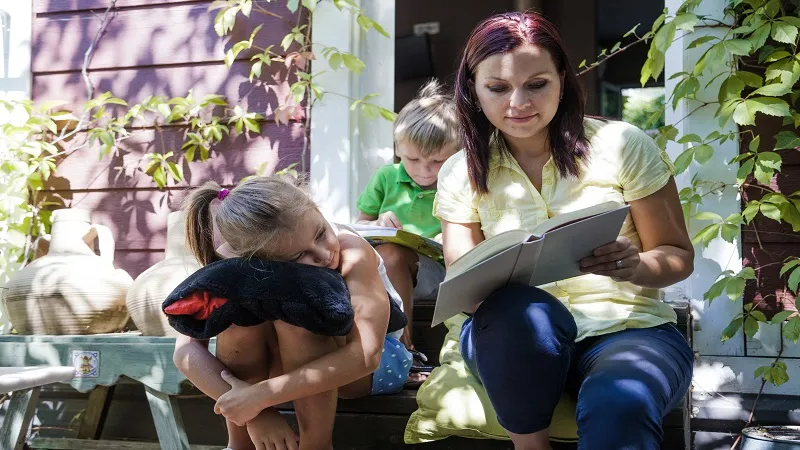
Learning does not stop when children leave the classroom. Families learn every day through conversations, experiences, challenges, hobbies, relationships, and simple moments at home. Parents also need reliable ideas that help them understand their children, support their development, and create a positive family environment.
fplearning articles by famousparenting can be viewed as a useful concept for family-focused learning content. It brings together ideas that can help parents explore educational activities, parenting strategies, communication techniques, personal development, and everyday learning opportunities. Instead of treating education as something limited to school, this approach recognizes that children can learn from almost every part of daily life.
What Are fplearning Articles by FamousParenting?
The idea behind fplearning articles by famousparenting is to provide accessible information that connects learning with family life. Parents often search for practical guidance rather than complicated educational theories. They want ideas they can understand quickly and apply naturally at home.
Family learning can include reading together, helping children develop healthy routines, encouraging curiosity, discussing emotions, completing creative activities, and teaching practical life skills. These experiences can complement formal education and help children become more confident learners.
Useful family-learning content should also recognize that every child develops differently. An activity that works well for one child may not be suitable for another. Parents can therefore use educational suggestions as starting points and adjust them according to age, interests, personality, and family circumstances.
Why Family Learning Matters for Children
Children are naturally curious. They ask questions, experiment with ideas, observe adults, and learn from their surroundings. Parents can encourage this curiosity by making learning a normal part of everyday life.
Family learning can support several areas of development. Reading can strengthen language skills, while games can encourage problem-solving. Cooking can introduce measurements and organization, and outdoor activities can encourage observation and physical activity.
Learning together can also strengthen relationships. When parents participate in an activity rather than simply instructing a child, the experience can become more engaging. Children may feel comfortable asking questions and sharing their opinions.
The goal does not need to be creating a classroom at home. Simple experiences can provide meaningful learning opportunities without making family life feel overly structured.
Making Education More Interesting at Home
One of the most effective ways to encourage learning is to connect educational ideas with subjects children already enjoy. A child interested in animals might enjoy reading books about wildlife, creating an animal drawing, or researching different habitats.
Similarly, children interested in technology can learn through age-appropriate digital activities while also discussing responsible technology use. Creative children may enjoy drawing, writing stories, building models, or creating simple projects from household materials.
The key is to make learning active. Instead of only asking children to memorize information, parents can encourage them to explain what they discovered, ask questions, compare ideas, and demonstrate their understanding.
This approach can make educational experiences feel more natural and enjoyable.
Reading and Language Development
Reading is one of the simplest ways families can support learning. Parents can read with younger children, discuss stories with older children, or encourage independent reading when children are ready.
After reading a story, parents can ask questions such as:
- What was your favorite part?
- Why do you think the character made that decision?
- What would you have done differently?
- What do you think might happen next?
These conversations can encourage comprehension and critical thinking while also helping children express themselves.
Parents can also introduce different types of reading materials, including fiction, nonfiction, magazines, educational websites, and age-appropriate reference materials. The objective is to develop curiosity rather than making reading feel like a forced assignment.
Learning Through Everyday Activities
Some of the best learning opportunities happen during ordinary household activities. Parents can involve children in shopping, cooking, gardening, organizing, or planning a family outing.
For example, cooking can introduce fractions, measurements, sequencing, and basic science. Shopping can teach budgeting, comparison, and decision-making. Gardening can introduce children to plants, weather, insects, and environmental responsibility.
These activities also teach practical skills that children can use as they become more independent.
This is an important part of fplearning articles by famousparenting because family learning can extend beyond traditional academic subjects. Children need knowledge for school, but they also need communication, organization, responsibility, creativity, and problem-solving skills.
Encouraging Critical Thinking
Critical thinking helps children understand information rather than simply accepting everything they hear. Parents can encourage this skill by asking open-ended questions.
For example, when a child makes a statement, parents can ask, “How do you know?” or “What makes you think that?” These questions can encourage children to explain their reasoning.
Parents can also present simple situations and ask children to consider different solutions. If a family is planning an outing, children could help compare transportation options, estimate costs, or decide what items are necessary.
These small decisions give children opportunities to think independently while still benefiting from parental guidance.
Supporting Emotional and Social Learning
Education is not only about academic performance. Children also need to understand emotions, relationships, communication, and appropriate behavior.
Parents can teach emotional awareness by helping children identify feelings and discuss possible reasons behind them. Instead of immediately solving every problem, parents can sometimes ask children what they think could help.
Social learning can also happen through family conversations. Children can learn about listening, taking turns, respecting different opinions, apologizing, cooperating, and resolving disagreements.
These skills can influence how children interact with classmates, friends, relatives, and other people as they grow.
Creating a Positive Learning Environment
A positive learning environment does not require expensive equipment or a dedicated study room. A quiet corner, comfortable reading space, or organized table may be enough.
Parents can keep books and learning materials accessible so children can explore them independently. Displaying children’s artwork or completed projects can also show that their efforts are valued.
It is equally important to avoid making every activity feel like a test. Children can become discouraged when they believe mistakes are unacceptable. Parents can instead treat mistakes as opportunities to learn.
Praise should focus on effort, persistence, creativity, and improvement rather than only perfect results.
Using Technology Responsibly
Technology has become an important part of modern education. Children can access educational videos, digital books, interactive activities, research resources, and creative tools.
However, parents should help children develop healthy technology habits. Not every digital activity is educational, and excessive screen use can interfere with sleep, physical activity, family interaction, or other responsibilities.
Parents can discuss online safety, privacy, responsible communication, and reliable information. Children should gradually learn how to evaluate digital information instead of assuming that everything available online is accurate.
Technology works best when it supports learning rather than replacing real-world experiences.
Learning Together as a Family
Family learning can become more effective when parents participate alongside their children. A family reading session, science experiment, puzzle night, craft project, or outdoor exploration can turn education into a shared experience.
Parents do not need to know everything. In fact, saying “I don’t know—let’s find out together” can demonstrate that learning is a lifelong process.
This attitude can help children understand that asking questions is positive. It also creates opportunities for parents and children to discover new subjects together.
The central value of fplearning articles by famousparenting is therefore the idea that learning can become part of everyday family life rather than remaining limited to formal lessons.
Helping Children Develop Independence
As children grow, parents can gradually give them more responsibility for their learning. Younger children may need direct guidance, while older children can begin choosing books, organizing projects, setting goals, and managing study time.
Parents can support this process without controlling every decision. Instead of immediately providing answers, they can encourage children to find information, consider alternatives, and explain their conclusions.
Independence develops gradually. Children may make mistakes along the way, but those experiences can teach responsibility and decision-making.
Choosing Useful Family Learning Resources
Parents have access to a huge amount of educational content online. However, quality matters. Before following advice, parents should consider whether the information is appropriate for their child’s age and circumstances.
Good educational content should be clear, practical, and responsible. It should avoid unrealistic promises and recognize that children and families have different needs.
Parents can also compare information from multiple reliable sources when dealing with important educational or developmental questions.
Frequently Asked Questions
What does family learning mean?
Family learning means learning experiences that involve parents and children together or happen naturally within the home and family environment. It can include reading, creative projects, practical skills, conversations, games, and educational activities.
Can learning at home replace school?
Family learning generally complements formal education rather than automatically replacing it. Schools provide structured instruction, while home activities can reinforce knowledge and develop practical and social skills.
How can parents make learning enjoyable?
Parents can connect activities with children’s interests, use games and creative projects, ask questions, and allow children to explore subjects at their own pace.
Does family learning require expensive resources?
No. Many useful activities can be completed with books, household materials, conversations, outdoor exploration, or everyday tasks such as cooking and shopping.
Why is curiosity important?
Curiosity encourages children to ask questions, explore information, investigate problems, and develop a lifelong interest in learning.
Final Thoughts
Family learning can make education more meaningful by connecting knowledge with everyday experiences. Children can learn through books, conversations, games, household responsibilities, creative projects, technology, and time spent exploring the world with their parents.
The broader purpose of fplearning articles by famousparenting is to encourage families to see learning as an ongoing experience. Parents can create supportive opportunities without turning home into another classroom. By encouraging curiosity, communication, creativity, critical thinking, emotional awareness, and independence, families can help children develop skills that remain valuable well beyond their school years.